THICKNESS MEASUREMENT GUIDE
What would you like to measure?
Tell us about your material and measurement conditions. Explore suitable methods and model candidates.
Describe your application
Korean · EnglishA PRINCIPLE FOR EVERY LAYER
The right method starts with the material.
Every recommendation needs evidence. Compare application conditions with manufacturer sources and registered catalogs.
FIELD NOTES
Make a better measurement decision
Material thickness and the thickness of its coating are different questions. Even at the same 100 μm, paint on aluminum, a polymer coating on plastic and metal plating can need different methods. These guides explain which layer to measure, what to tell a supplier and how to check the resulting measurement.
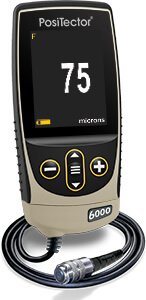
Paint on steel or aluminum: choosing the right probe
Separate the coating from the substrate, choose magnetic or eddy-current measurement, and check curved parts before comparing readings.
Read the guide →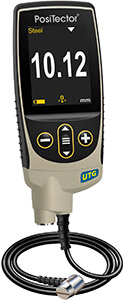
Coated pipe: measuring the remaining wall
Understand the ultrasonic travel-time calculation, the effect of paint, and the evidence to request for a corrosion measurement.
Read the guide →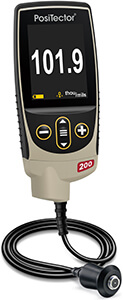
Coatings on plastic, wood and concrete
Evaluate ultrasonic coating measurement, distinguish total from individual-layer thickness, and prepare a useful sample trial.
Read the guide →From a thickness specification to a measurement plan
A practical brief for comparing methods, checking calibration evidence, and documenting a result that another inspector can reproduce.
Read the guide →